
English| USD
Suggested for you
More currencies
Choose a language
Travelers planning Atlas Mountains excursions from Marrakech often ask about insect presence at different altitudes and seasons. The answer depends on elevation, water sources, and time of year. This guide covers what you'll encounter and how to prepare.
Quick answer
Yes, mosquitoes exist in Marrakech, but their presence in the Atlas Mountains varies significantly by altitude and season. The city itself sees mosquito activity primarily from April through October, with peak numbers in late spring and early autumn. Higher mountain elevations above 1,800 meters experience minimal mosquito populations year-round due to cooler temperatures and reduced standing water.
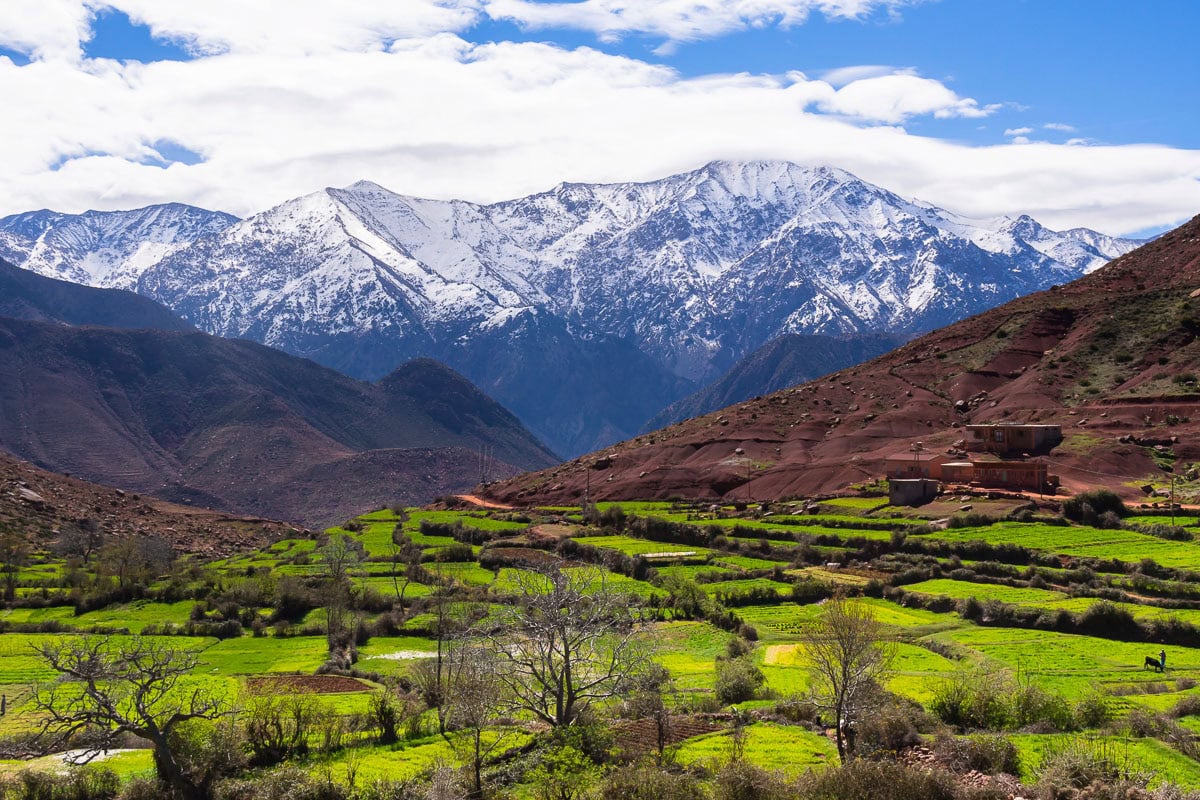
The Atlas Mountains span multiple climate zones, each with distinct insect populations shaped by elevation and seasonal rainfall patterns. Valley floors and terraced agriculture areas below 1,200 meters support mosquito breeding during warmer months, particularly where irrigation channels and streams create standing water. Above 2,000 meters, daytime temperatures rarely support sustained mosquito activity even in summer. Marrakech mosquitoes in mountain foothills follow predictable seasonal cycles tied to North African weather patterns. Spring rains in April and May create temporary breeding sites in wadis and agricultural terraces, leading to increased activity through June. By July and August, reduced rainfall and intense heat limit populations except near permanent water sources. Autumn rains in September and October can trigger a second surge before winter temperatures suppress breeding entirely. Urban Marrakech experiences higher concentrations than rural mountain areas due to gardens, fountains, and drainage systems that retain water. Altitude becomes the determining factor for visitors exploring beyond the foothills. Day trips to Toubkal National Park, Ourika Valley, or Imlil typically involve rapid elevation gain that leaves mosquito habitat behind within the first hour of travel. Morning departures between 7:00 and 12:00 not only offer clearer weather and cooler temperatures but also avoid the late afternoon hours when lower-elevation mosquitoes are most active. Overnight stays in mountain villages above 1,500 meters rarely require insect protection, though valley-floor accommodations near rivers may warrant standard precautions during warmer months. Practical protection centers on timing and targeted use of repellent rather than constant vigilance. Travelers spending time in cultivated valleys or visiting during April through June should pack DEET-based repellent for morning and evening hours. Higher-altitude hiking routes, rocky terrain, and areas distant from agriculture eliminate most insect exposure naturally. The Atlas Mountains remain accessible year-round with minimal insect interference for the majority of visitors who focus on elevated trails and peaks.
“Altitude becomes the determining factor for visitors exploring beyond the foothills.”
Misconceptions about mosquito prevalence in Morocco often arise from generalizing the conditions of urban Marrakech to the entire geographical region. Understanding the environmental differences between low-lying city areas and higher mountain elevations clarifies what visitors should expect.
MythThe entire region is infested with mosquitoes.
FactMarrakech can have mosquitoes, but the higher altitudes of the Atlas Mountains are generally too cool for significant mosquito populations.
MythYou will need heavy repellent for the Atlas Mountains.
FactWhile protection is sensible for any outdoor environment, the Atlas Mountains lack the stagnant water and heat that drive mosquito breeding in lower elevations.
MythMosquitoes are present year-round in the Atlas Mountains.
FactMosquito activity is highly dependent on temperature and season, with the cool mountain climate limiting their presence compared to the warmer valley floors.
The best time to visit the Atlas Mountains is during the spring or autumn months, focusing on the 07:00–12:00 arrival window. This timeframe balances lower mosquito activity with the most comfortable temperatures for outdoor activity.
Mild, 15°C to 25°C. Lower humidity levels limit insect populations.
Ideal for hiking as mountain temperatures remain temperate.
Hot, 30°C to 40°C. Lowland heat drives activity to higher elevations.
Higher altitudes offer relief from lowland heat but mornings remain essential.
Cooler, 10°C to 20°C. Post-rain periods can see temporary increases in activity.
Stable weather conditions provide clear visibility and predictable climates.
—
Prioritizing this window avoids afternoon heat and reduces exposure to peak insect hours.
Verdict: Plan your visit for spring or autumn, arriving between 07:00–12:00 to ensure optimal conditions and minimal mosquito activity.
Atlas Mountain treks require insect protection gear alongside standard hiking preparation.
The Atlas Mountains remain accessible to visitors throughout the week, offering general mountain access at all hours.
Everything you need to know about are there mosquitoes in marrakech
While travelers often ask are there mosquitoes in marrakech, these insects are generally less common in the higher, cooler altitudes of the Atlas Mountains. The arid climate and cooler evening temperatures in the peaks significantly reduce their presence compared to the valley floors.
There is generally no requirement for malaria prophylaxis for travelers visiting the Atlas Mountains in Morocco. You may still consider standard insect repellent to prevent bites from common pests while exploring the region.
It is a common inquiry to ask are there mosquitoes in marrakech, where stagnant water in gardens can occasionally attract them. High-altitude mountain trails, however, typically experience far lower insect activity due to dry air and wind.
The best time to visit the Atlas Mountains is during the morning hours, specifically between 07:00–12:00. This window provides the clearest weather and lower temperatures before the heat of the afternoon settles in.
When considering if are there mosquitoes in marrakech during September or October, note that populations decrease as the weather cools. You are much safer from insects in the open mountain terrain than in the city's lush, irrigated palm groves.
Lightweight, long-sleeved clothing and a quality insect repellent are sufficient for your mountain trekking needs. Ensure you have proper hiking footwear to navigate the rugged, rocky terrain safely throughout your visit.
There is no cost for general access to the mountain trails. You can enter the region freely without paying an entrance fee, which is 0 MAD.
The mountains are accessible every day of the week, including weekends. The site maintains a schedule of 00:00–23:59, allowing you to plan your excursion according to the recommended early arrival window.