
English| USD
Suggested for you
More currencies
Choose a language
Morocco is a Muslim-majority country where alcohol is legal but tightly regulated. Visitors wonder whether they can enjoy wine or beer during their stay, and the answer depends entirely on location and context. This guide clarifies where tourists can legally drink, which venues hold licenses, and the cultural considerations that shape responsible consumption in Marrakech.
Quick answer
Yes, tourists can drink alcohol in Marrakech inside licensed hotels, restaurants, riads, and international-brand bars. Morocco permits alcohol sales to non-Muslims through a licensing system, so you will find wine, beer and spirits in upscale establishments catering to visitors. Public drinking is prohibited, supermarkets rarely stock alcohol, and local neighborhoods observe stricter norms. Licensed venues in the Medina, Gueliz, and Hivernage districts serve alcohol daily, though some riads may restrict service during Ramadan.
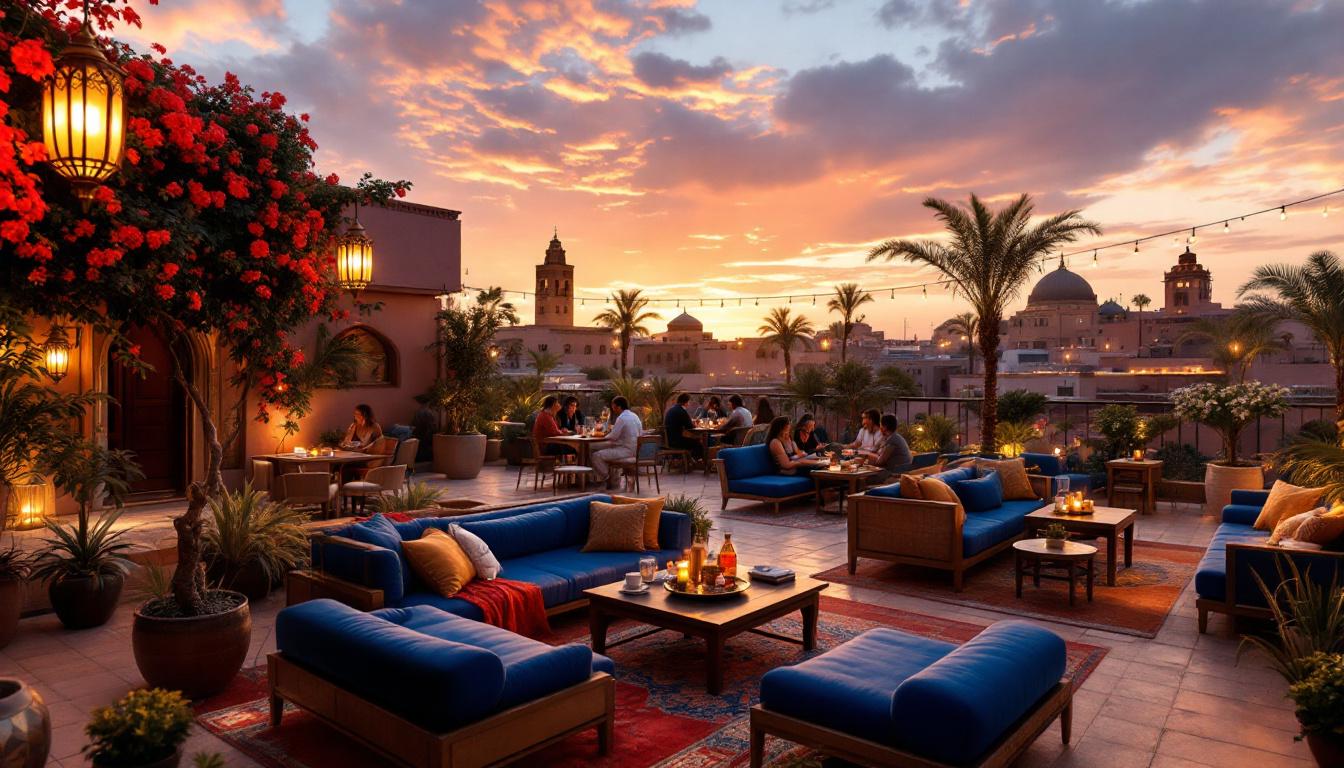
Morocco's alcohol laws occupy a pragmatic middle ground: production and consumption are legal but tightly zoned to avoid friction with religious norms. The country produces its own wine and beer, yet you will not find bottles on supermarket shelves or corner-store coolers. Instead, alcohol flows through a permit system that grants licenses to hotels with at least three stars, standalone restaurants that meet service standards, and specialty wine shops in tourist districts. Tourists need no documentation to order a drink—the licensing burden falls on the venue, not the guest. Can you drink alcohol in Marrakech outside licensed premises? No. Moroccan law prohibits public consumption, and drinking visibly in parks, streets, or non-licensed cafés invites fines or police intervention. The medina's winding alleys and neighborhood squares are social spaces where alcohol does not appear. Even in the modern Gueliz quarter, where nightlife hums, drinks stay behind closed doors. Licensed rooftop bars and hotel terraces offer the most relaxed settings, combining legal service with views over the city's tiled rooftops and distant Atlas peaks. Cultural context matters as much as statute. Marrakech welcomes millions of international visitors annually, and its hospitality industry has adapted to serve them without alienating local sensibilities. Riads in the medina pour Moroccan rosé alongside mint tea. Five-star chains in Hivernage operate full bars with imported spirits. Yet discretion remains the unwritten rule. Excessive public intoxication, loud behavior near mosques, or carrying open bottles through residential alleys will draw disapproval and potential consequences. During Ramadan, some venues pause alcohol service entirely or restrict it to private dining rooms, though major hotels typically maintain limited availability for non-fasting guests. Practical sourcing depends on your accommodation. Larger hotels stock their own bars and room minibars. Standalone restaurants with licenses post wine lists openly. Specialty shops like Nicolas in Gueliz sell bottles for take-away, requiring passport verification at checkout. Prices reflect import duties and scarcity—expect to pay European rates for wine and spirits. Local Casablanca and Flag Spéciale beers cost less and appear on most licensed menus. If you plan to drink during your stay, confirm your riad or hotel holds a license before booking, especially for smaller guesthouses in the medina where policies vary widely.
“Morocco permits alcohol sales to non-Muslims through a licensing system, so tourists drink legally inside upscale hotels, riads and restaurants while public consumption remains prohibited.”
Morocco is an Islamic country where alcohol is legal but culturally sensitive. Licensed hotels, restaurants, and bars in Marrakech serve alcohol, while public consumption and drinking in the Atlas Mountains villages is discouraged out of respect for local customs.
The Atlas Mountains are located in the Marrakech-Safi Region, accessible primarily by road from central Marrakech. Hiring a private driver or using a grand taxi are the most practical methods for navigating the mountain routes.
Route R203 to Asni or S501 to Ourika Valley
Grand Taxi from Bab Er Robb or Sidi Mimoun
Local bus lines departing from the Marrakech bus station toward mountain villages
Plan your travel within the best arrival window of 08:00–16:00. These daylight hours provide the visibility required for safe navigation of the winding mountain roads.
The best time for visiting the Atlas Mountains is within the arrival window of 08:00–16:00. These hours prioritize daylight for safer travel on mountain roads and provide the necessary visibility for trekking.
Mild, 15°C to 25°C
Spring offers clear skies and pleasant temperatures for outdoor activities.
Hot, 25°C to 35°C
Summer weather is warm, though higher elevations remain cooler.
Cool, 10°C to 20°C
Autumn provides stable conditions ideal for hiking throughout the region.
Cold, 0°C to 12°C
Winter months feature snow at higher altitudes and require specialized gear.
Verdict: The best arrival window is daily between 08:00 and 16:00, ideally during the spring months of April or May for the most favorable mountain conditions.
Everything you need to know about can you drink alcohol in marrakech
While can you drink alcohol in marrakech within licensed hotels and bars, the Atlas Mountains are traditional rural areas where public consumption is uncommon. Respecting local customs is important when exploring these mountain trails.
It is generally advised to avoid public displays of drinking in the Atlas Mountains to maintain cultural sensitivity. Most mountain lodges do not serve alcohol, so visitors should plan accordingly.
You will not find liquor stores in the Atlas Mountains, as these regions are sparsely populated and culturally conservative. If you wonder can you drink alcohol in marrakech, ensure you purchase supplies in the city before departing for your excursion.
Our adventure partners do not serve alcohol during zip-line tours or mountain treks. Understanding can you drink alcohol in marrakech before you head into the wilderness helps manage expectations for your trip.
Trekking and high-altitude activities require full concentration and hydration. Consuming alcohol before or during physical activity is dangerous, regardless of if you ask can you drink alcohol in marrakech near your hotel.
Public consumption of alcohol in Marrakech is prohibited and can lead to legal issues. Stick to licensed venues such as hotel bars or restaurants to enjoy a drink safely.